
Short answer:
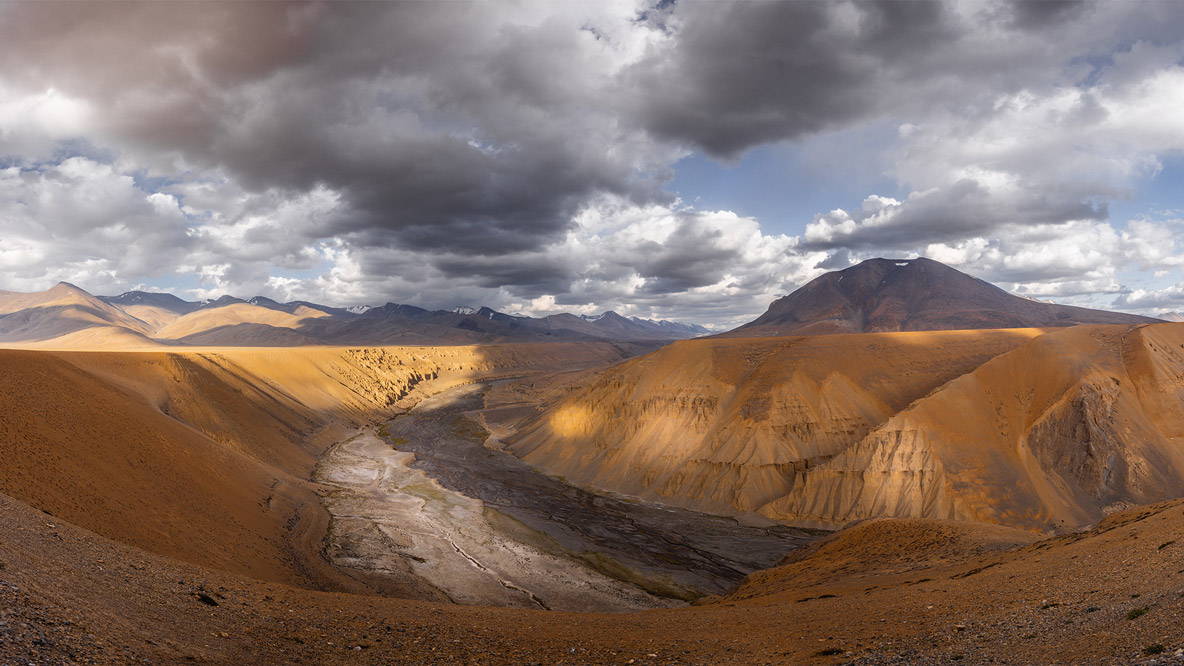
HDR lets your video keep bright highlights and dark shadows at the same time.
That’s it.
HDR does not automatically make your video cinematic, colorful, or better.
It just gives you more room to work with light.
What HDR Actually Means (In Simple Terms)
HDR stands for High Dynamic Range.
Dynamic range is:
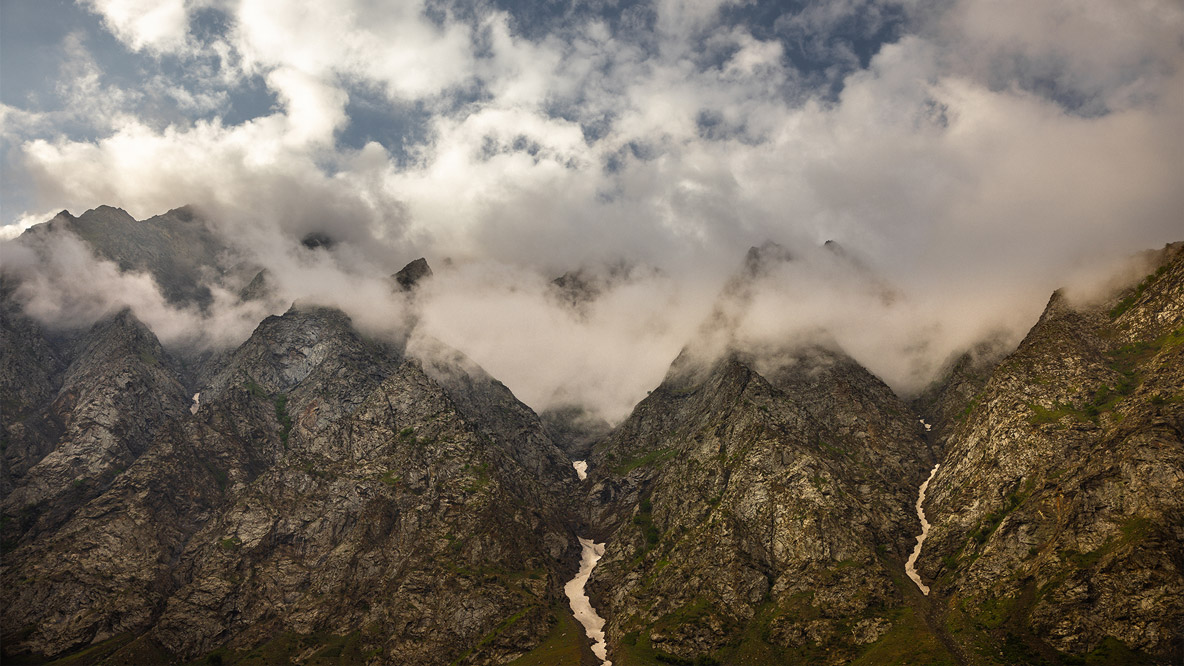
How much bright and dark detail your camera can record in one shot.
-
Low dynamic range → blown-out skies or dark shadows
-
High dynamic range → details in both
HDR helps when a scene has:
-
Bright windows
-
Harsh sunlight
-
Dark interiors with highlights
If the scene is already evenly lit, HDR won’t magically improve it.
HDR vs SDR (The Difference That Matters)
SDR (Standard Dynamic Range):
-
What most videos still use
-
Easier to edit
-
Easier to deliver everywhere
HDR:
-
Holds more highlight and shadow detail
-
Requires more care in shooting and editing
-
Needs correct delivery to look right
👉 HDR is more flexible, but also less forgiving.

When HDR Is Actually Worth Using
HDR helps most when:
-
You’re shooting outdoors in strong daylight
-
You have bright skies and dark faces
-
You want flexibility in post-production
Common good HDR situations:
-
Travel videos
-
Landscapes
-
Architectural interiors
-
Controlled commercial shoots

When HDR Is Not Worth the Trouble
HDR is often overkill for:
-
Social media videos
-
Fast-turnaround client work
-
Simple talking-head videos
-
Projects with unclear delivery requirements
If your final output is SDR anyway, shooting clean SDR is often the smarter choice. Most of my clients do not need HDR, in fact, many don’t understand the difference.
Shooting HDR Without Making a Mess
Keep it simple.
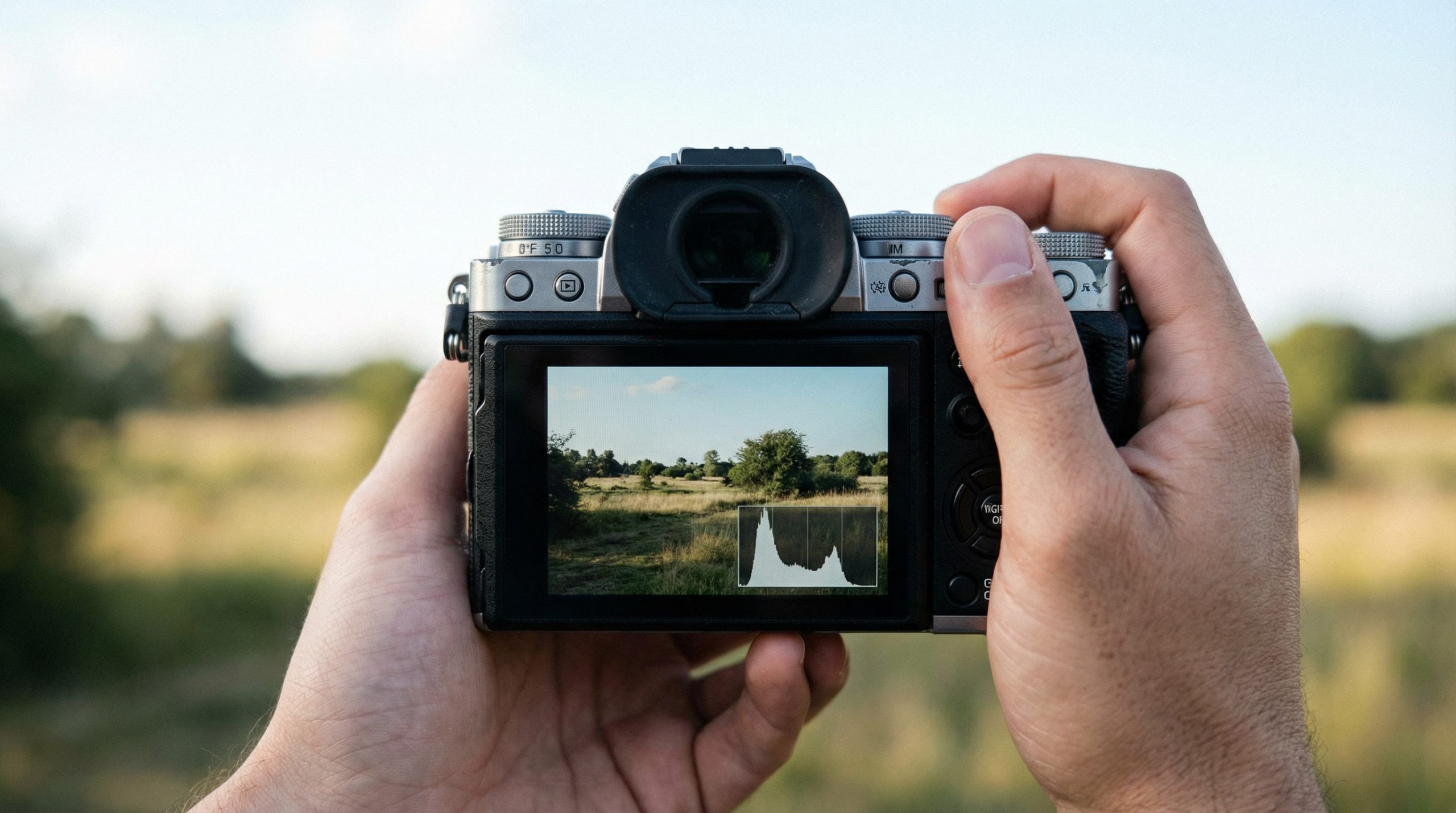
1️⃣ Use Log or HDR Profiles Carefully
-
Log gives you flexibility
-
But requires proper exposure and grading
2️⃣ Protect Highlights
HDR does not mean “overexpose.”
Once highlights clip:
-
HDR cannot recover them
-
No software can fix that
3️⃣ Keep ISO Under Control
Noise is more visible in HDR workflows.
Clean footage > extreme dynamic range.
Editing HDR Without Losing Your Mind
HDR editing is not about making things “pop.”
Focus on:
-
Natural contrast
-
Clean skin tones
-
Realistic highlights
Very important:
Decide early if your final delivery is HDR or SDR.
Many HDR projects are:
-
Shot in HDR
-
Delivered in SDR
That’s perfectly normal.
The Most Common HDR Mistakes
-
Thinking HDR is a “look”
-
Overexposing because “HDR can fix it”
-
Forgetting where the video will be watched
-
Delivering HDR to platforms that don’t handle it well
HDR should feel invisible, not flashy.
How HDR Connects to Other Choices
HDR works best when combined with:
-
The right frame rate
-
Controlled camera movement
-
Intentional lighting
👉 This is why frame rate matters, which I explain next in Which Frame Rate Should I Use for Different Genres?
👉 And why HDR alone doesn’t make footage cinematic, which we’ll cover in How Do I Create Cinematic Looks on a Budget?
The Big Truth
HDR is a safety net, not a shortcut.
Used well, it gives you freedom.
Used badly, it creates problems.




Leave A Comment