
Short answer:
You only need to understand three camera settings:
Shutter speed, aperture, and ISO.
Everything else is secondary.
If you learn these three, your photos will improve immediately — without buying new gear.
The Three Camera Settings That Matter
Let’s keep this simple.

1. Shutter Speed (The Most Important One)
-
Shutter speed controls motion and sharpness.
If your photos look blurry, this is usually the reason.
-
Fast shutter = freezes movement
-
Slow shutter = blur (from movement or shaky hands)
Simple rule:
If people or objects are moving, use a faster shutter speed.Examples:
-
Walking people → 1/125
-
Kids, pets, sports → 1/500 or faster
👉 This is why shutter speed matters so much in How Do I Make My Photos Look Sharper?
If you remember only one setting, remember this one.
-
2. Aperture (Controls Blur and Light)
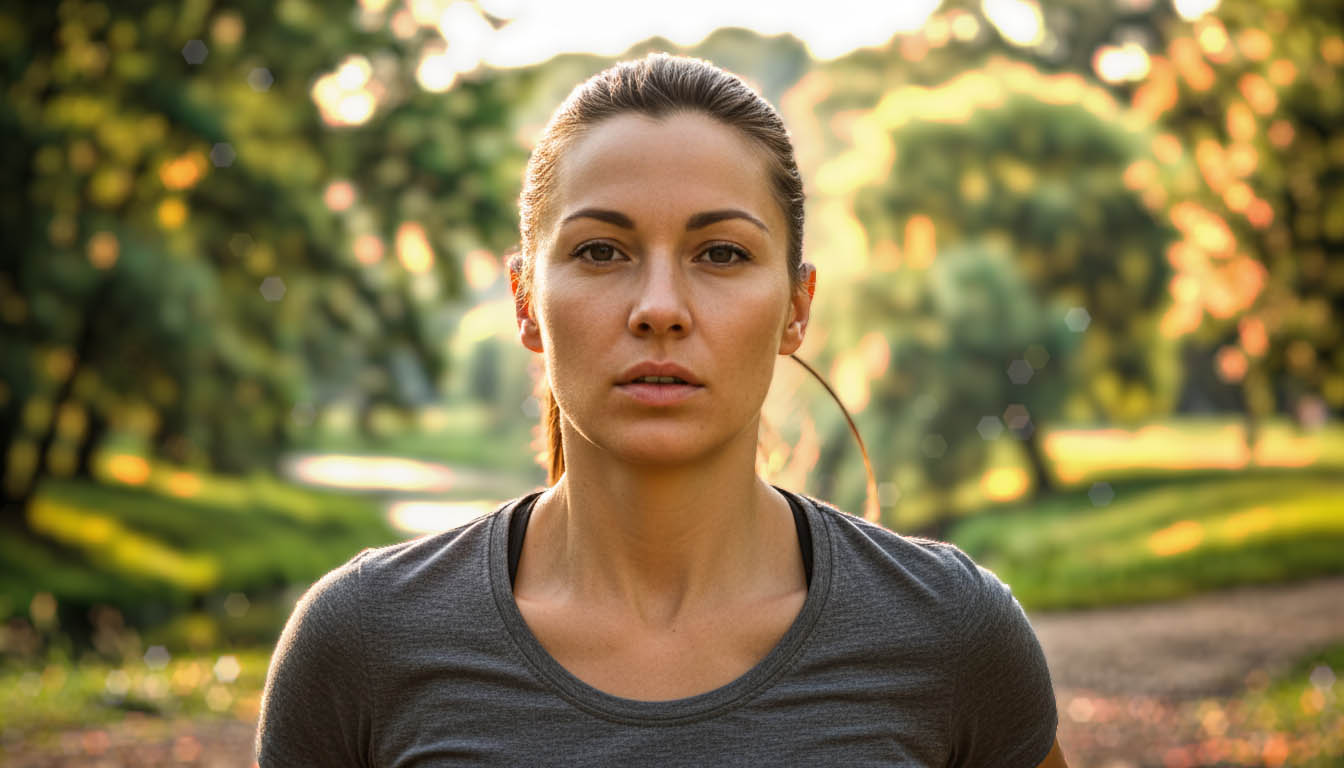
Aperture controls how blurry the background is.
-
Small number (f/1.8) → blurry background
-
Bigger number (f/4 or f/5.6) → more in focus
Big mistake beginners make:
Shooting wide open all the time and missing focus.
Simple advice:
-
For people: try f/4
-
For groups: try f/5.6
Your photos will look sharper and more reliable.
👉 I’ll explain this more in How Do I Get a Blurry Background Without Losing Sharpness?
3. ISO (Brightness, but with a Cost)
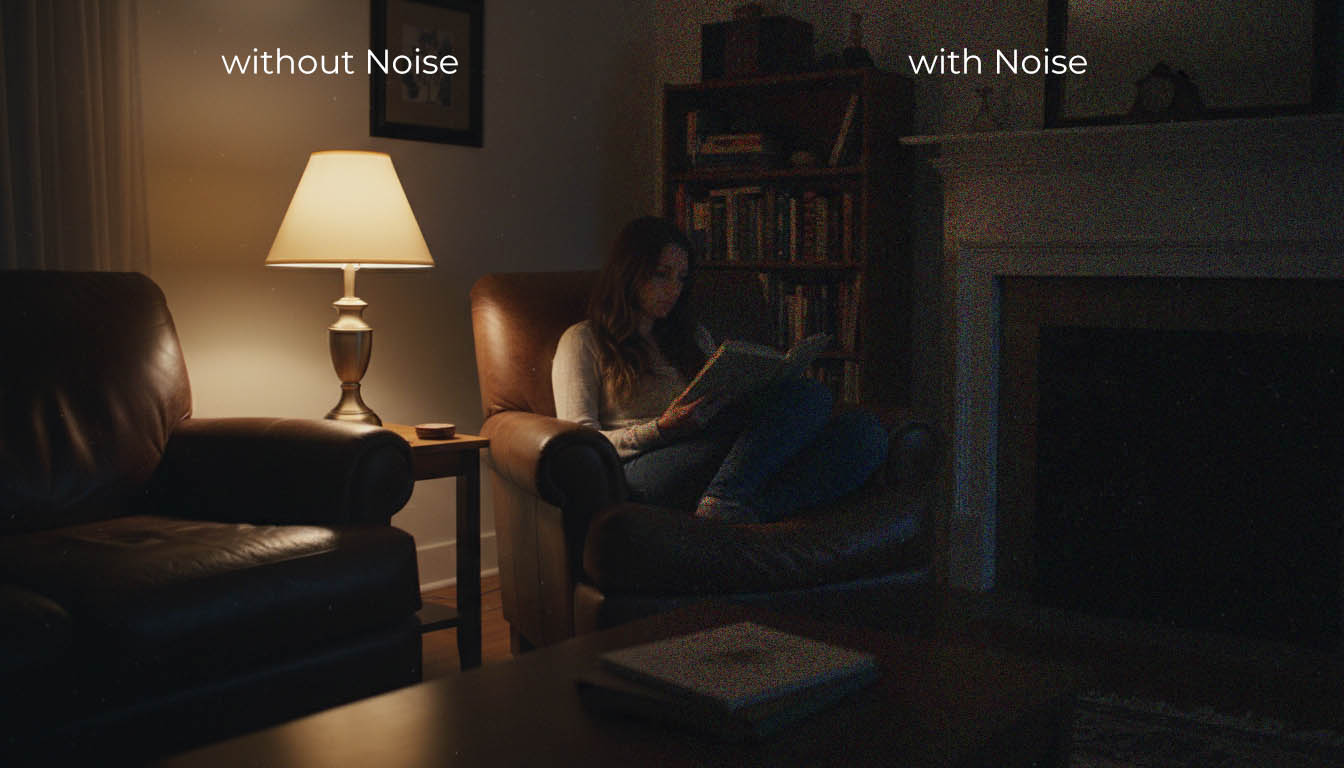
ISO makes the photo brighter — but adds noise.
-
Low ISO = clean image
-
High ISO = grainy image
Use ISO only when needed.
Good habit:
-
Try to fix light first
-
Then shutter speed
-
ISO comes last
👉 Noise and ISO are closely linked to editing, which I cover in
How Do I Fix Noisy or Grainy Photos? (Future post, coming soon)
Do I Need to Shoot Manual Mode?
No.
Manual mode is a tool — not a requirement.
You can take excellent photos using:
-
Aperture Priority
-
Shutter Priority
-
Even Auto (if you understand its limits)
What matters is knowing what the camera is doing, not forcing manual mode.
Camera Settings That Don’t Matter (At First)
You can safely ignore these when starting out:
-
Picture styles
-
Creative filters
-
Fancy focus modes
-
Menu options you don’t understand yet
These don’t fix blurry or bad photos.
The three settings above do.
A Simple Starting Recipe
If you’re unsure, start here:
People outdoors
-
Shutter: 1/125
-
Aperture: f/4
-
ISO: Auto
Kids / action
-
Shutter: 1/500
-
Aperture: f/4
-
ISO: Auto
Low light
-
Stabilize first
-
Use the fastest shutter you can
-
Increase ISO only if needed
Right now I want you to try these starting recipes and tweak them to see the diferences each one makes. That is the way!!!
The Big Truth
Good photos come from understanding basics, not complex settings.
If you control:
✔ shutter speed
✔ aperture
✔ ISO
You control your photos.
Now get out there and try these settings…



Leave A Comment