

Short answer:
To get a blurry background and a sharp subject, you need the right mix of aperture, distance, and focus — not just a “fast” lens.
Most people lose sharpness because they push one thing too far.
Let’s fix that.
The Big Mistake Most People Make
They think:
“If I use f/1.8, my photo will look professional.”
What actually happens:
-
One eye is sharp
-
The other eye is blurry
-
The photo looks soft, not cinematic
Blur is nice.
Missed focus is not.
1. Use a Sensible Aperture (Not the Widest One)
Yes, wide apertures blur the background — but they also make focusing harder.
Try this instead:
-
Start at f/4
-
Go to f/2.8 if needed
-
Use f/1.8 only when you’re confident
Most lenses are:
-
Sharper
-
More forgiving
when slightly stopped down.
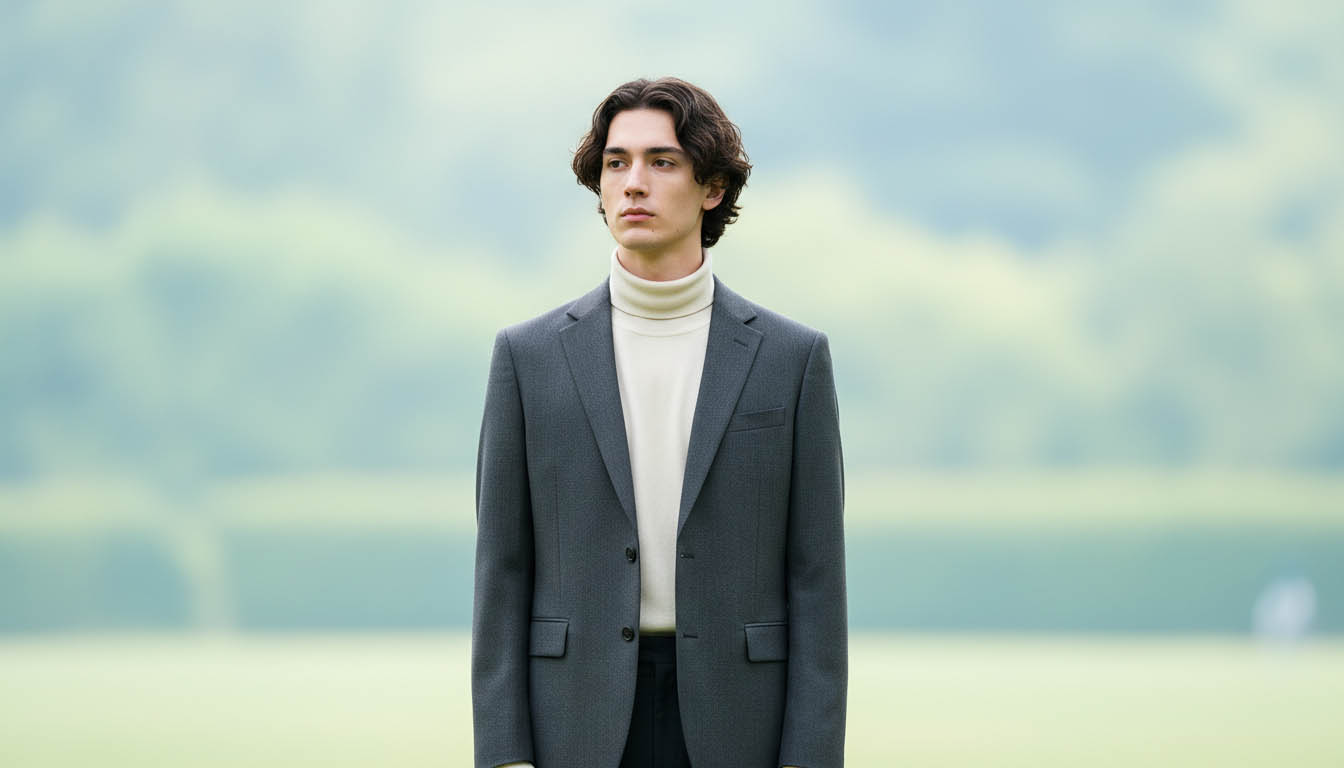
2. Increase the Distance from the Background
This is the most underrated trick.
You don’t need a wider aperture — you need space.
Do this:
-
Move your subject away from the background
-
Even 1–2 extra meters helps a lot
Result:
-
Background gets blurrier
-
Subject stays sharp
-
No extra risk
This works on any camera.

3. Get Closer to Your Subject
Background blur increases when:
-
You are closer to the subject
-
The background is farther away
So instead of changing settings: ➡️ Take one step closer
Simple. Powerful.
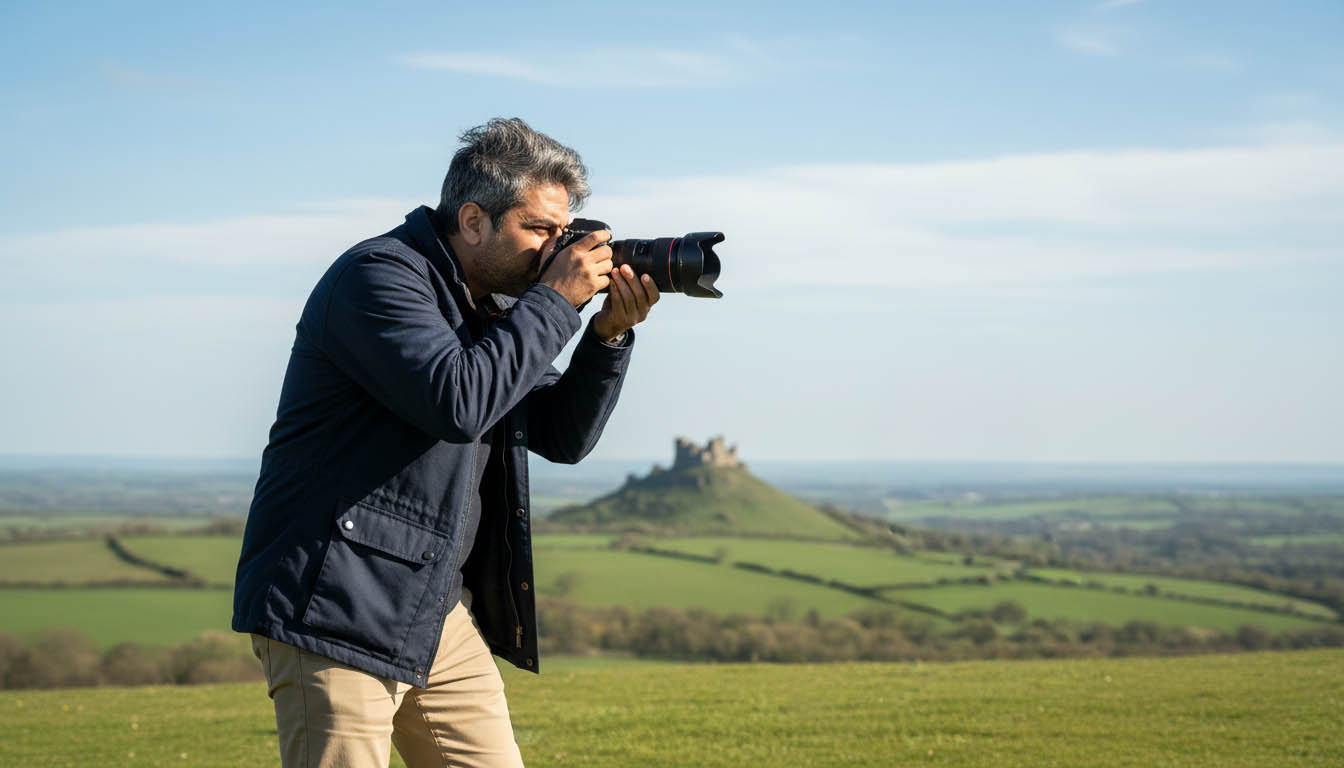
4. Use the Right Focal Length
Longer lenses blur backgrounds more naturally.
Examples:
-
35mm → some blur
-
50mm → nice blur
-
85mm → strong blur
You don’t need a new lens — but understanding this helps you choose better.
👉 Lens choice also affects sharpness, which I covered in How Do I Make My Photos Look Sharper?
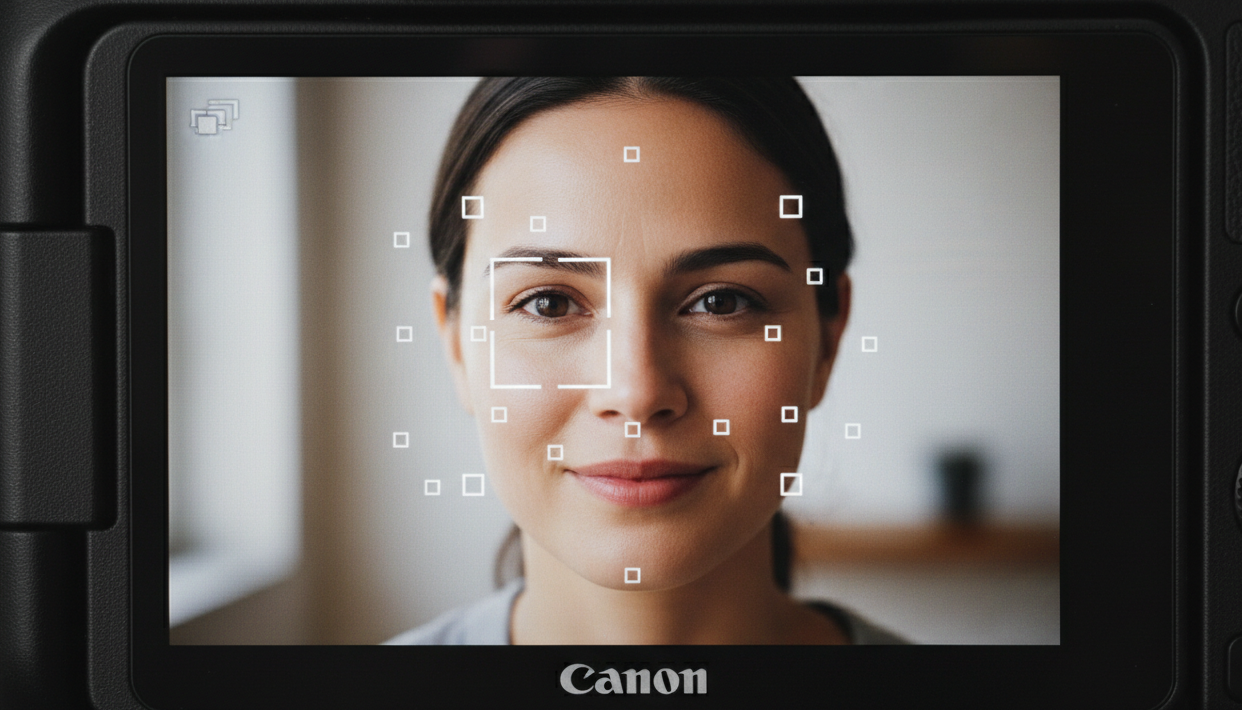
5. Focus on the Eye (Always)
When depth of field is shallow, focus becomes critical.
Rule:
The closest eye to the camera must be sharp.
Use:
-
Single-point autofocus
-
Place it on the eye
-
Recompose carefully (or don’t recompose)
Most “soft” portraits are actually focus mistakes.

6. Use Enough Shutter Speed
Blurred backgrounds don’t excuse:
-
Camera shake
-
Subject movement
Even portraits need:
-
1/125 or faster
👉 This is explained clearly in How Do I Make My Photos Look Sharper?
A Simple Recipe That Works
Try this for portraits:
-
Shutter speed: 1/125
-
Aperture: f/4
-
ISO: Auto
-
Subject: away from background
-
Focus: on the eye
You’ll get:
✔ blur
✔ sharpness
✔ consistency
What You Don’t Need
You don’t need:
-
Full-frame cameras
-
f/1.2 lenses
-
Expensive gear
You need control, not extremes.
👉 Sensor size myths are covered in Do I Need a Full-Frame Camera to Take Great Photos? (coming up)
The Big Truth
Background blur is easy.
Sharp blur is skill.
Once you understand this, your photos will look better immediately.


Leave A Comment