
Short answer:
Cinematic video comes from choices, not expensive gear.
You don’t need better cameras.
You need better decisions about light, framing, motion, and color.
This article is about acheiving the cinematic look on a budget, so we will not use fancy lights and studio gear.
What “Cinematic” Actually Means
Cinematic does not mean:
-
expensive lenses
-
shallow depth of field everywhere
-
heavy color grading
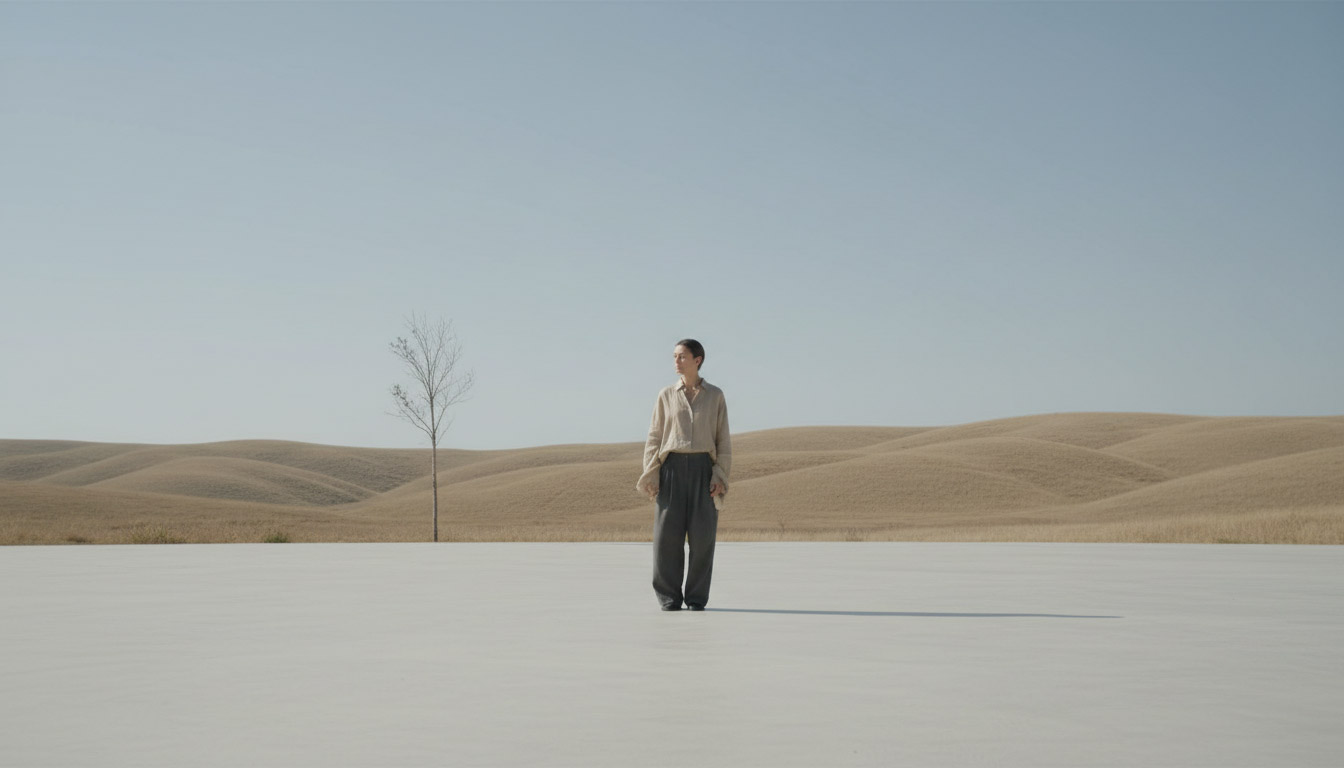
Cinematic means:
-
controlled light
-
intentional framing
-
calm camera movement
-
consistent look
👉 Frame rate helps set the motion feel, which I explain in Which Frame Rate Should I Use for Different Genres?
Light Matters More Than Cameras
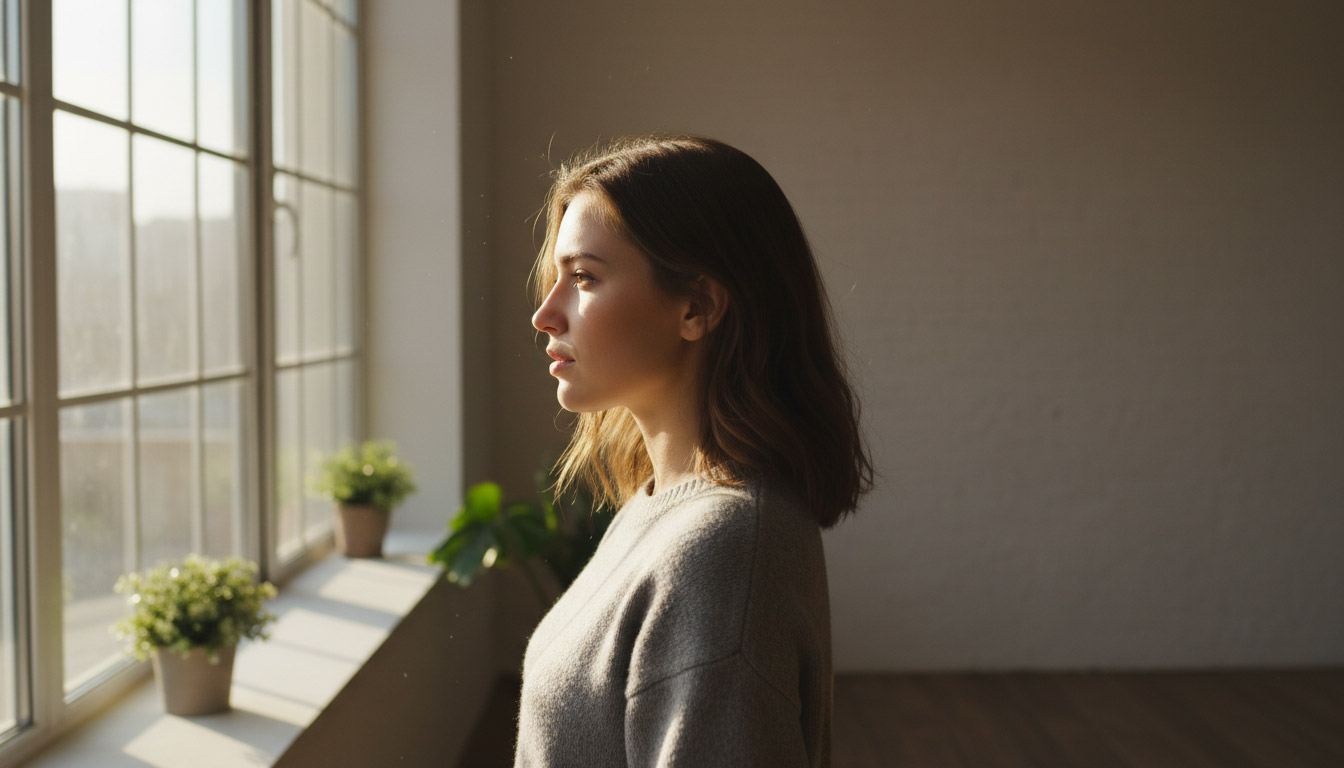
One window with good light beats:
-
bad lighting
-
expensive cameras
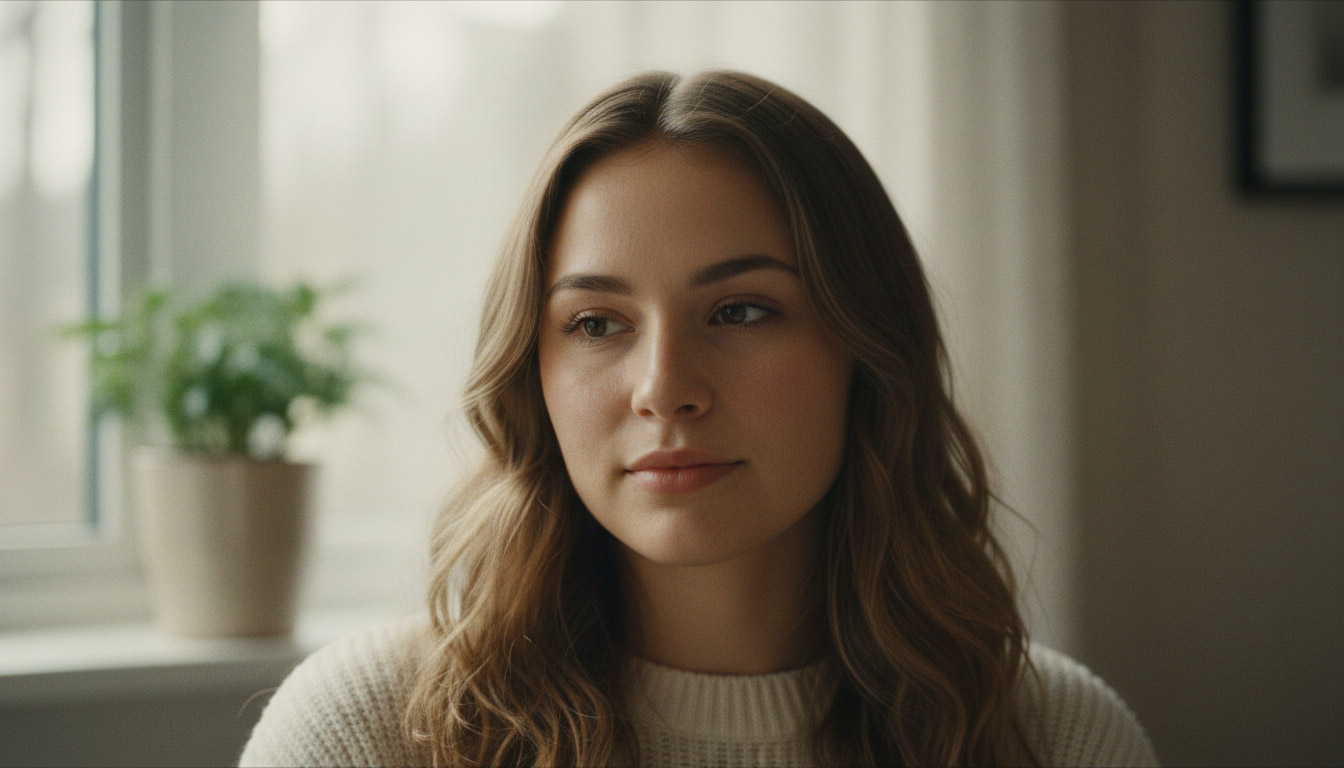
Good light means:
-
light from one direction (motivated lighting)
-
shadows with shape
-
faces with depth
You can get this with:
-
a window
-
a curtain
-
a white wall
Tip – Look for light sources in your scene and use those as motivated lighting. This can be more than one light source but more on that later.
Control Your Camera Movement
Most videos look cheap because the camera:
-
moves randomly
-
moves too much
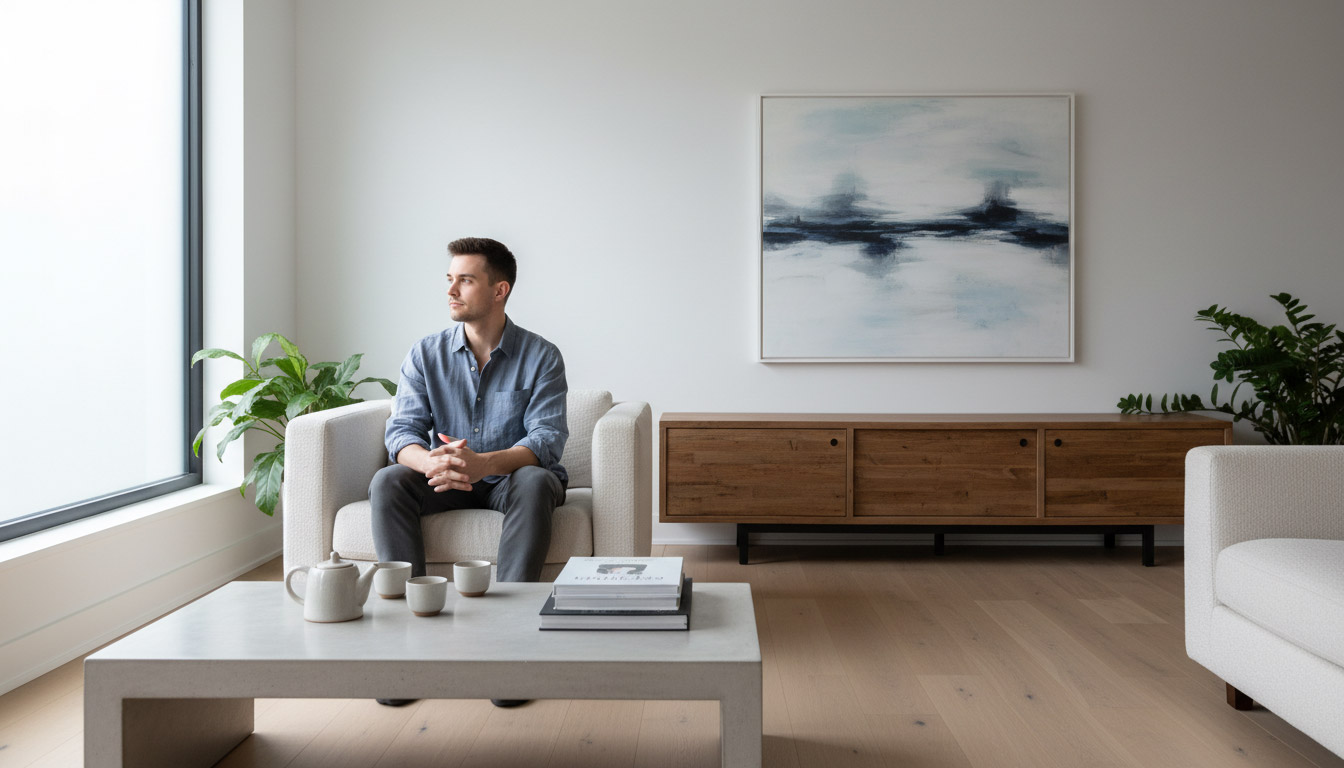
Cinematic movement is:
-
slow
-
intentional
-
minimal
If you’re unsure:
Don’t move the camera at all.
👉 Motion feel connects directly to Which Frame Rate Should I Use for Different Genres?

Compose Your Shots (Stop “Pointing” the Camera)
Cinematic framing means:
-
clean backgrounds
-
simple shapes
-
subject separated from clutter
You don’t need fancy rules.
Just remove distractions from the frame.
Color and Contrast (Subtle Beats Stylized)
Cinematic grading is:
-
natural skin tones
-
gentle contrast
-
restrained colors
Big mistake:
Slapping LUTs on everything.
Do this instead:
-
balance exposure
-
fix contrast
-
then add light color
👉 HDR affects how much highlight and shadow detail you have to work with: What Is HDR in Video, and How Do I Use It in My Workflow?
What to Stop Doing
Stop:
-
over-sharpening
-
over-saturating
-
moving the camera constantly
-
copying YouTube “cinematic LUT” looks blindly
These make videos look processed, not cinematic.
This does not mean LUTs are bad and you should not use them. You must shoot with intention, planned lighting and well composed before applying LUTs.
LUTs can be amazing on well planned shots, here is a link to my own Cinematic LUTs pack and a tutorial on how to use them.
A Simple “Cinematic on a Budget” Recipe
-
Choose 24fps for narrative feel
-
Use one main light direction
-
Keep camera movement slow
-
Compose clean frames
-
Grade gently
Do this consistently and your videos will look intentional.
The Big Truth
Cinematic comes from intention, not equipment.
Once your choices are deliberate, your work feels professional — even on a phone.





Leave A Comment